
Agroecology
Soil and Land Preparation
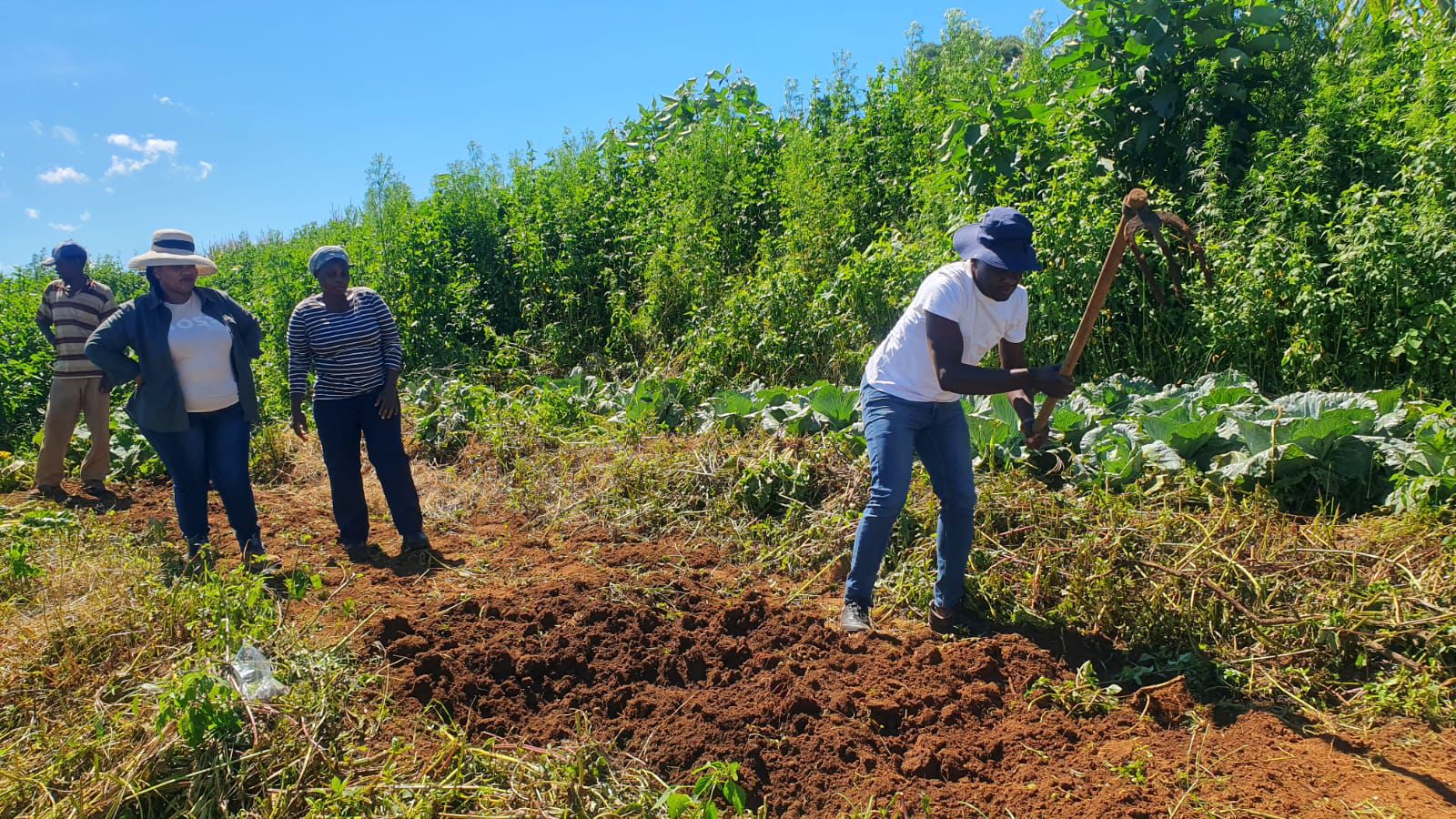
Healthy soil is the foundation of agroecology. Start by testing your soil using simple observation, check the texture, moisture, color and presence of life like earthworms. Improve poor soils by adding compost made from food scraps, manure, and crop waste. Avoid burning or over-ploughing the land; instead, practice minimal tilling and cover the soil with mulch to retain moisture and protect it from erosion. Use contours or ridges to prevent water runoff and start preparing planting beds based on your crop type and spacing needs.

Seed Selection and Planting
Choose seeds that are local, indigenous, and adapted to your climate. These seeds are more resilient and reduce dependency on expensive commercial varieties. Before planting, do a germination test: soak a few seeds and observe how many sprout in a few days. Use nursery beds for delicate crops like tomatoes, and plant hardier ones directly into prepared soil. Practice intercropping, growing different crops side by side to support soil fertility and reduce pest pressure naturally.
Harvesting, Cleaning, and Packaging
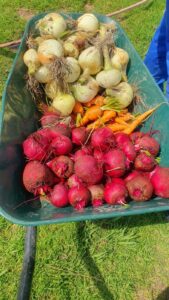
Harvest your crops early in the morning when they are fresh and full of moisture. Use clean tools to avoid damaging the produce, and sort them immediately by size and quality. Wash vegetables in clean water and let them dry in the shade to avoid wilting. Package using natural, low-cost materials like baskets, banana leaves, or recycled boxes. Label your products clearly and store them in a cool place before transport. Clean, well-packaged produce fetches better prices and builds trust with buyers.